
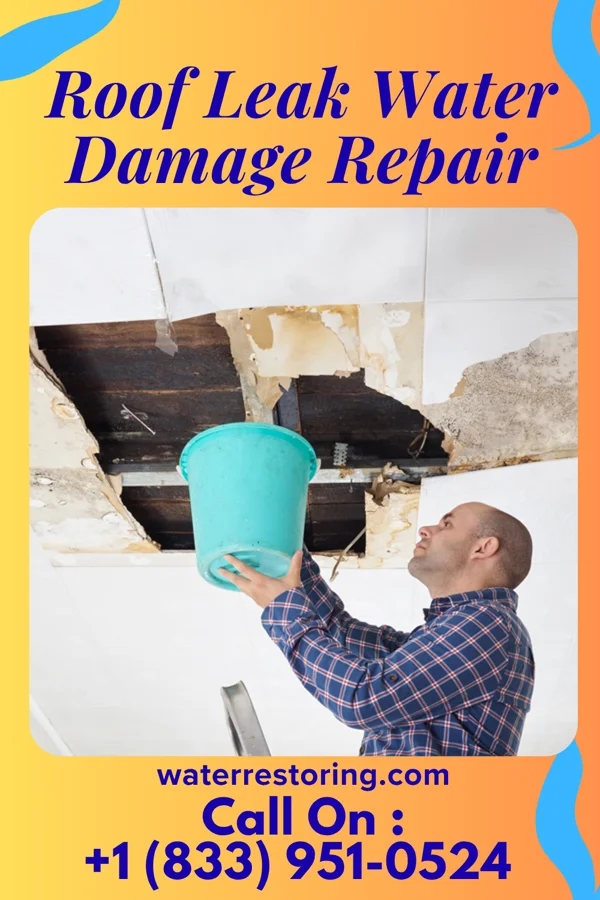
Roof Leaks Across Potlicker Flats Neighborhoods
Every neighborhood in Potlicker Flats has a different water damage risk profile. The one that shows up on most restoration calls is Potlicker Flats experiences frequent spring and summer thunderstorms that can lead to heavy downpours and strong winds, increasing the risk of roof leaks. The area is also prone to occasional ice dams during winter, which can cause water to back up under shingles and seep into the home.. A close second is The region's rural setting means that stormwater runoff can accumulate quickly, especially after prolonged rainfall, leading to localized flooding and increased pressure on roofing systems. Sudden temperature changes can also cause roofing materials to expand and contract, creating gaps where water can enter..
The combination of heavy rainfall, temperature extremes, and rural terrain in Potlicker Flats creates a unique set of challenges for roofing and water damage restoration. Homes in this area often require more frequent inspections and maintenance to prevent long-term damage.
Water damage in Potlicker Flats follows a few local patterns. Potlicker Flats experiences frequent spring and summer thunderstorms that can lead to heavy downpours and strong winds, increasing the risk of roof leaks. The area is also prone to occasional ice dams during winter, which can cause water to back up under shingles and seep into the home. accounts for the bulk of our calls. The combination of heavy rainfall, temperature extremes, and rural terrain in Potlicker Flats creates a unique set of challenges for roofing and water damage restoration. Homes in this area often require more frequent inspections and maintenance to prevent long-term damage. Mold can develop within 48 hours of water intrusion in Potlicker Flats, especially in homes with poor ventilation or high humidity. This risk is heightened during the summer months when temperatures and moisture levels are elevated.
For public guidance on the health effects of mold after prolonged water exposure, see the EPA mold and health page.